
(TITC) – The knife-forging craft of Phuc Sen in Cao Bang is one of Vietnam’s most unique traditional handicrafts, deeply reflecting the cultural identity of the Nung ethnic group. This craft has existed for hundreds of years and has become a great source of pride for the local people. More than just a livelihood, the forging craft embodies technical mastery, exquisite craftsmanship, and distinctive cultural values of the Nung community in Cao Bang.
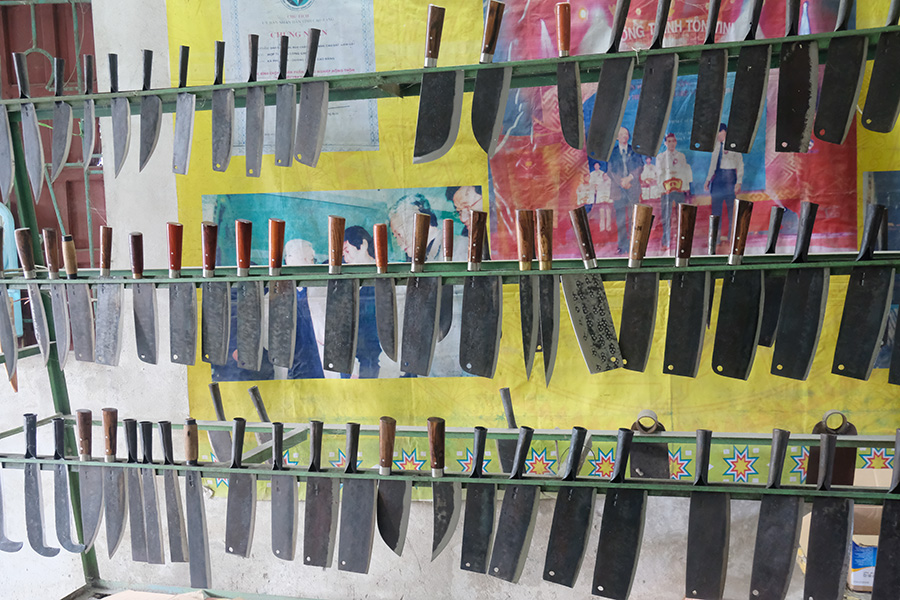
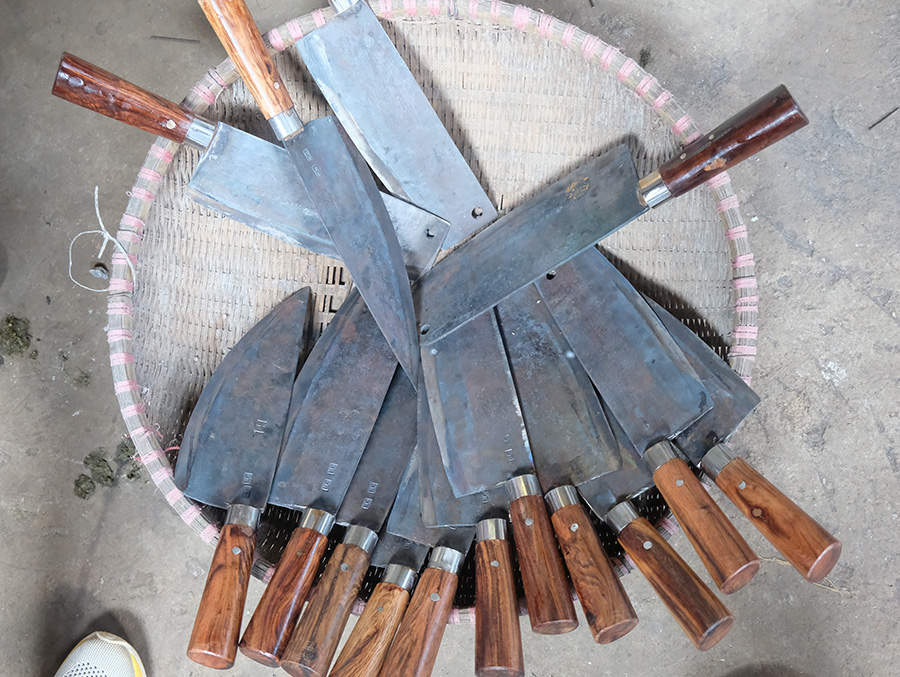
The products of Phuc Sen blacksmithing village are highly favoured for their practicality and durability. (Photo: TITC)
According to local folklore, the forging tradition in Phuc Sen has a history of over 300 years. Through many generations, the secrets of making knives, hoes, sickles, and scissors have been carefully passed down from fathers to sons and diligently preserved. Remarkably, local blacksmiths do not use industrial steel but instead recycle materials such as automobile leaf springs and truck coils. As a result, Phuc Sen forged products are known for their durability, sharpness, and flexibility, earning the trust and admiration of users.
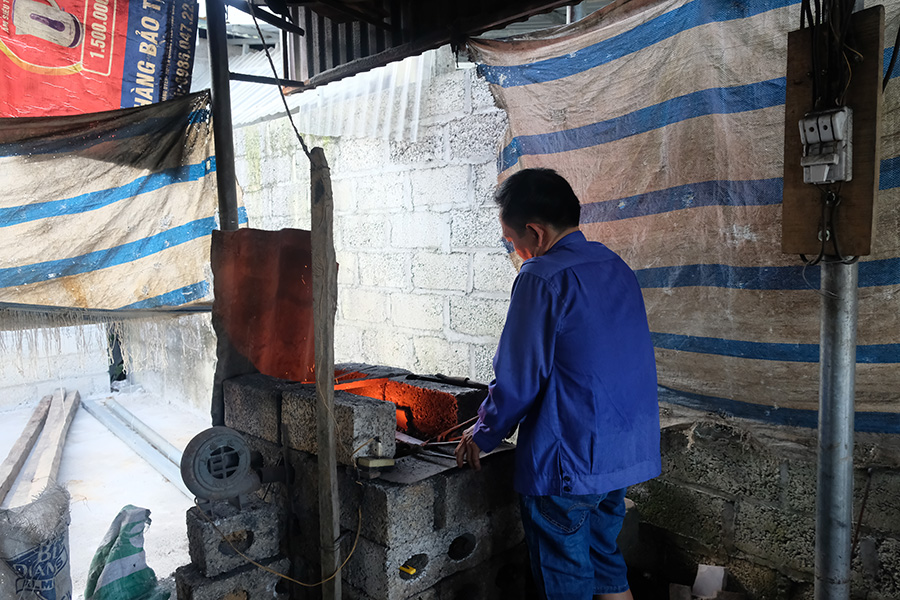
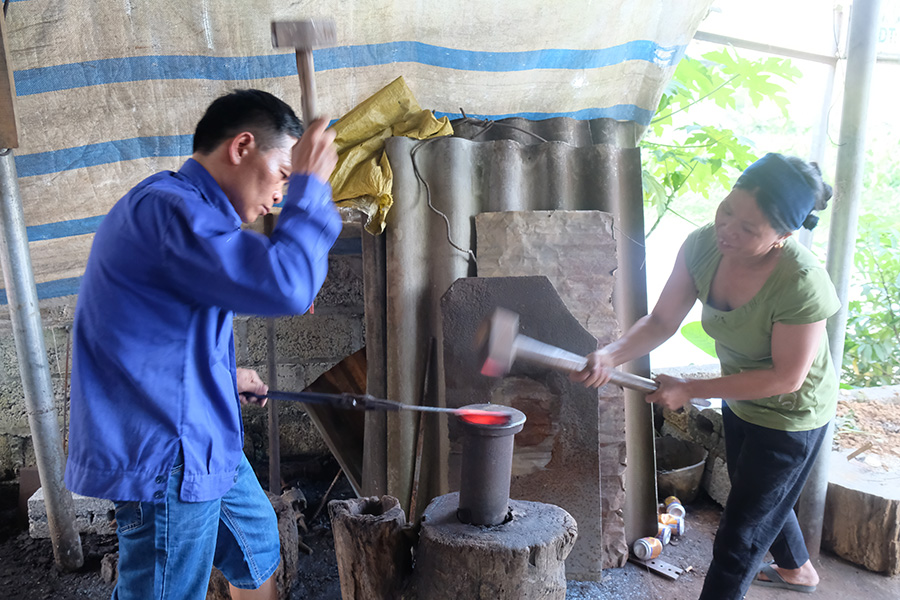
The forged products go through many manual processing stages. (Photo: TITC)
The process of forging a Phuc Sen knife requires meticulous attention and exceptional skill. A craftsman must go through several stages: selecting materials, heating, shaping, tempering, sharpening, and polishing. Each step demands not only dexterous hands but also years of experience and precision. The most crucial stage is tempering, immersing the red-hot blade into cold water to achieve the perfect hardness. A high-quality knife must not only be razor-sharp but also strong and long-lasting, requiring minimal resharpening over time.
Phuc Sen’s forged products are incredibly diverse, ranging from traditional farming tools such as machetes, slash-and-burn knives, and axes, to household utensils like kitchen knives, scissors, and slicing knives. Each product bears its own distinctive mark, reflecting the skill and aesthetic sense of the craftsman. Beyond their practical value, Phuc Sen knives are deeply intertwined with the cultural life of the Nung people, serving as essential tools in daily labor, farming, and domestic activities.
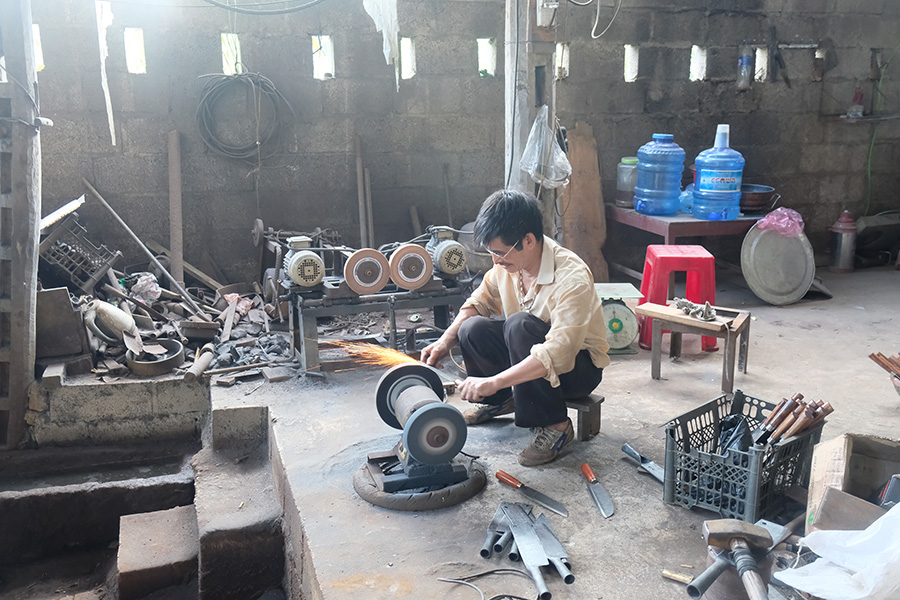
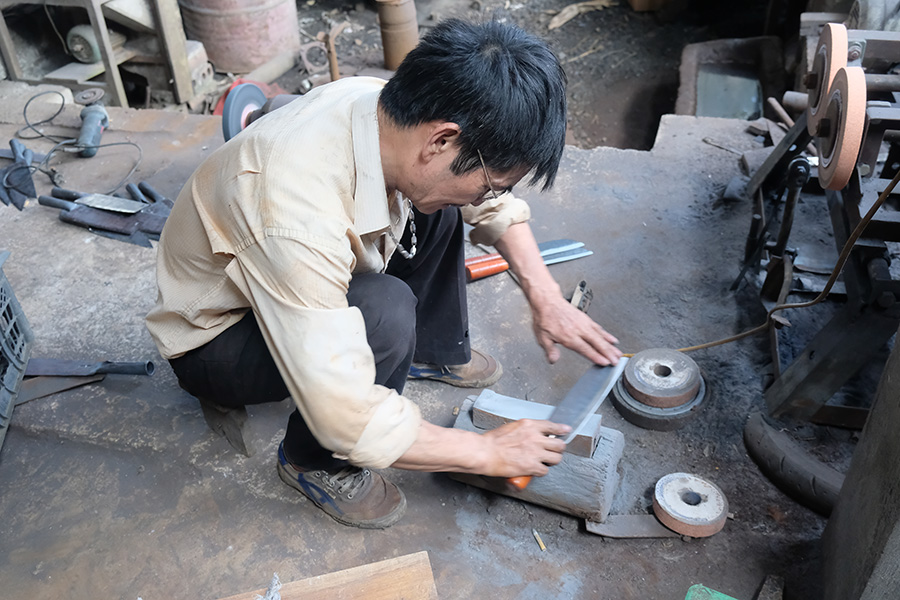
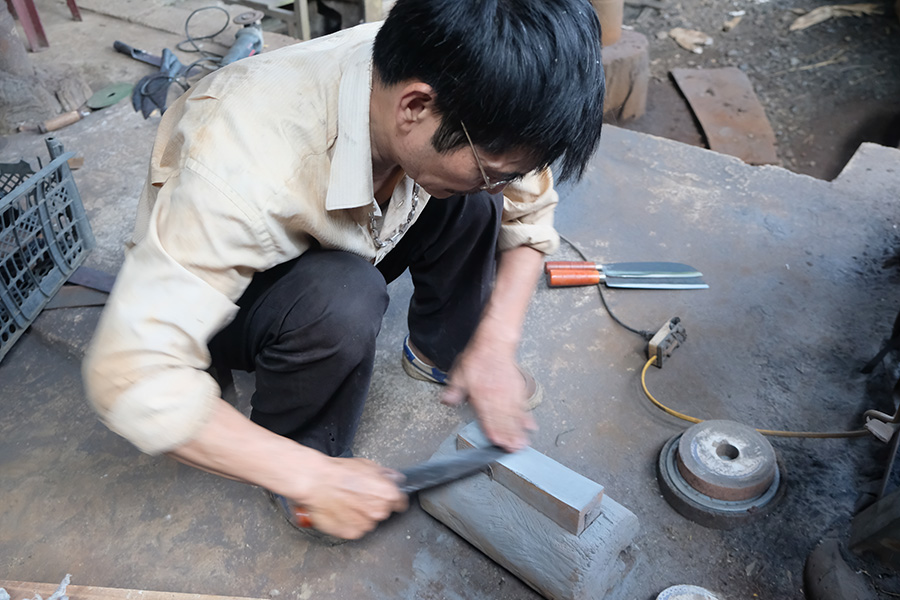
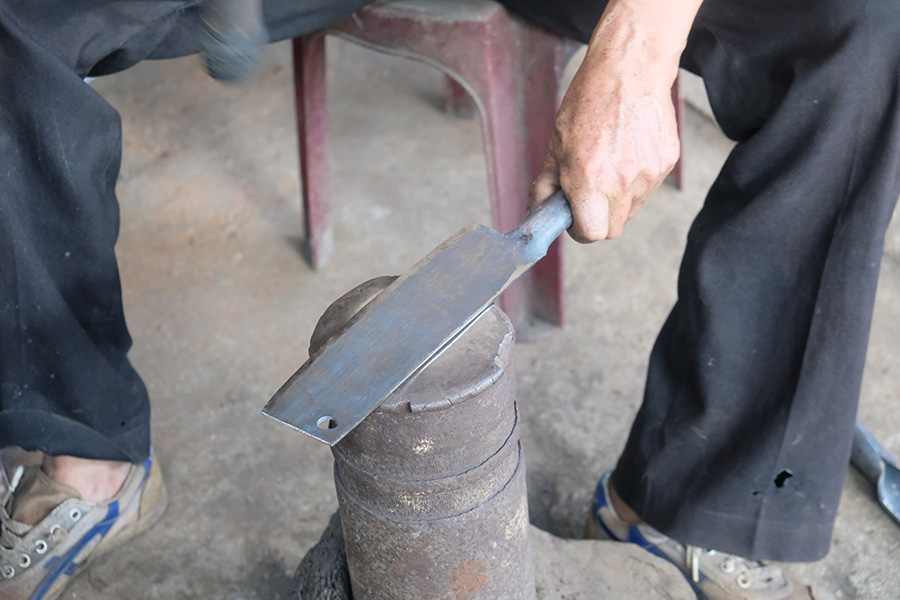
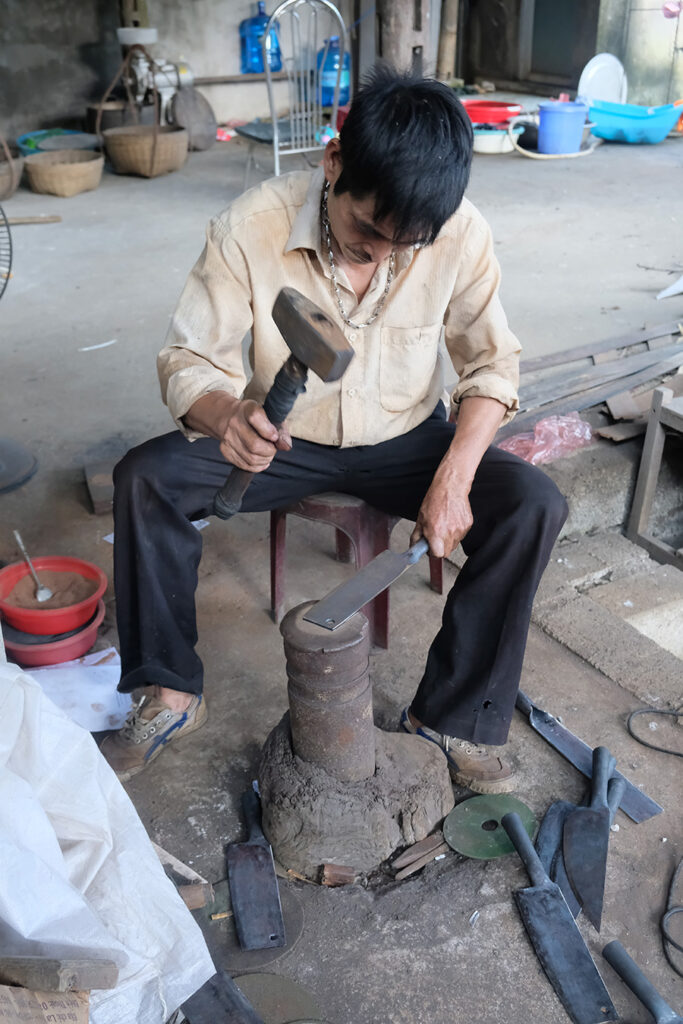
The stages involved in creating products from Phuc Sen blacksmithing village require the artisans’ meticulousness and skill. (Photo: TITC)
Today, despite the rapid industrialization and growing competition from modern products, Phuc Sen’s forging craft has retained its reputation thanks to its consistent quality and authenticity. Many visitors to Cao Bang not only purchase knives, hoes, and sickles as souvenirs but also take the opportunity to witness the traditional forging process firsthand. This immersive experience allows them to gain a deeper appreciation for the local cultural heritage and the dedication of the blacksmiths.
The Phuc Sen knife-forging craft has been officially recognized as a National Intangible Cultural Heritage of Vietnam, contributing significantly to the preservation and promotion of traditional crafts. In the context of developing community-based tourism, the forging village has become a fascinating highlight that attracts both domestic and international tourists.
More than a place of production, Phuc Sen village can be seen as a “living museum” that preserves the traditional knowledge and craftsmanship of the Nung people. Local artisans not only work but also share stories about their craft, history, and daily life, helping visitors gain a profound understanding of the cultural significance and enduring value of knife forging in the life of the Nung community in Cao Bang.
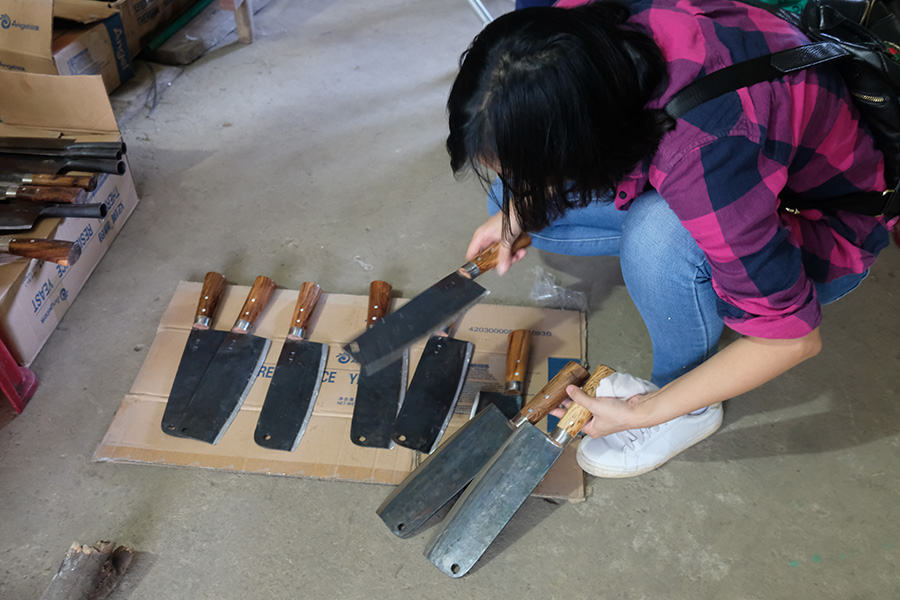
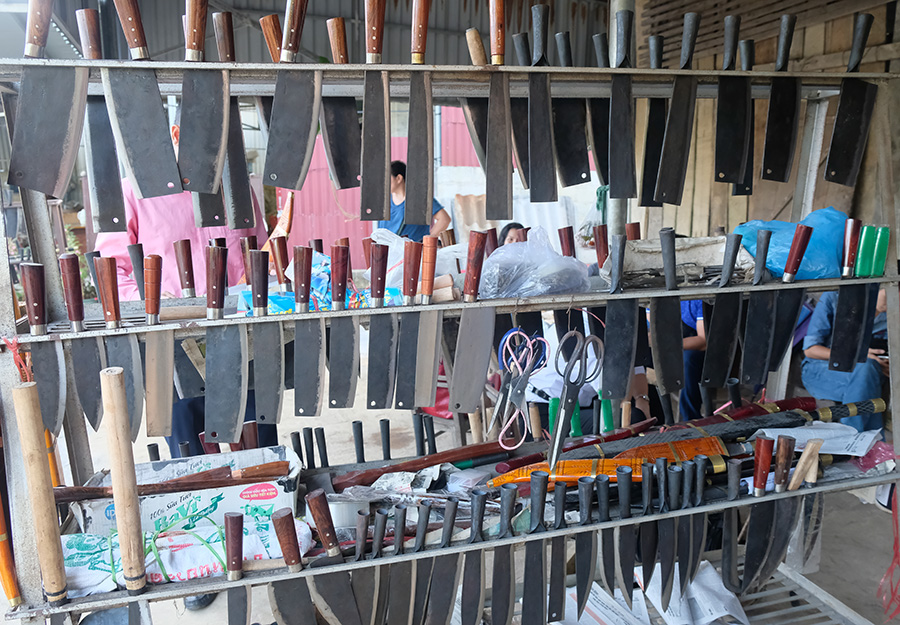
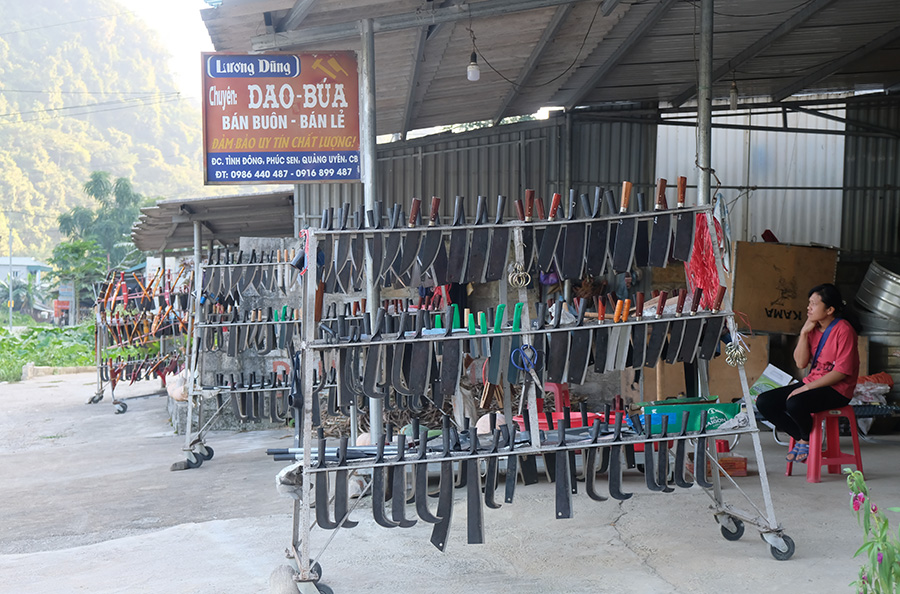
The products are highly diverse and abundant. (Photo: TITC)
Tourism Information Technology Center