
(TITC) – Tucked away in the misty highlands of Khanh Son District, Khanh Hoa Province, the Raglai people live in close harmony with nature. Their lives follow the rhythm of the forests and mountains that embrace their villages. Accounting for over 70% of the local population, the Raglai have preserved their ancient language, beliefs, and customs, becoming proud guardians of a vibrant cultural heritage that embodies the essence of Vietnam’s highlands.
A Matriarchal and Community-Based Society
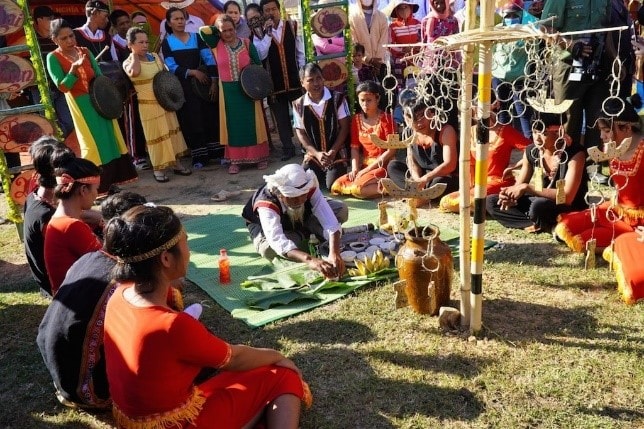
Raglai villages – known as bur (hamlets) or palei/plei (villages) – are small, close-knit communities led by a po pa-lay, the respected village elder. Life in each village is centered around family ties and mutual support, creating a strong sense of unity.
A unique feature of Raglai society is its matriarchal system, still present in many areas. Women hold an important position in both family and community life. When a couple marries, the husband moves into the wife’s family home and contributes to household and farming duties. Major family decisions, however, are made by the woman or her maternal uncle. Marriage is not merely a union between two people but a celebration of family and community bonds, symbolizing harmony and mutual respect.
Living with Nature
The Raglai people’s livelihood depends largely on slash-and-burn farming, a traditional practice passed down for generations. They cultivate rice, corn, millet, and beans using simple, eco-friendly methods. Farming is often supplemented by hunting, fishing, and gathering forest products.
Raglai families are also skilled in handicrafts such as weaving, basketry, pottery, and making musical instruments. Most products are made for personal use rather than trade, reflecting a lifestyle of self-sufficiency and a deep respect for nature’s cycles.
The Longhouse – A Symbol of Unity
The longhouse (da) is one of the most distinctive features of Raglai architecture. Built on high stilts with wooden beams and bamboo walls, a longhouse often shelters three or four generations of one family. Its spacious front porch serves as a communal area for meetings, rituals, and dispute resolution under customary law.
Surrounding the main house are smaller huts and granaries for storing food and farm tools. The longhouse represents the unity and continuity of family life – a place where generations live, work, and celebrate together.
Cuisine and Daily Life
Raglai cuisine is simple but deeply connected to the land. Daily meals include rice, corn porridge (buriăk), and vegetable soups. During festivals, traditional dishes such as sticky rice (la say), meat soup, boiled chicken, pork, banh tet, and can wine (fermented rice wine sipped through bamboo straws) are prepared to honor the spirits and ancestors.
A special belief among the Raglai is that animal blood belongs to the earth, symbolizing the sacred power of nature. Therefore, blood is never used in rituals, reflecting the people’s respect for the environment and the balance of life.
Colorful Costumes
Raglai traditional clothing mirrors their connection with nature – simple yet vibrant. Women wear black skirts (ca chan) decorated with red and white patterns and blouses with colorful stripes. Their attire is often complemented with jewelry made from brass, silver, or forest seeds. Men wear loincloths (ca gio) and short-sleeved shirts (khau), often paired with woven belts and scarves dyed with natural plant colors.
During festivals, villagers wear their most colorful garments, turning the event into a dazzling display of highland beauty.
Beliefs and Rituals
The Raglai follow polytheism and animism, believing that every mountain, river, and tree has a spirit. Their supreme deity is Giang, the god of the universe. The Raglai possess a rich oral tradition – myths, epics, folk songs, and customary laws – that express their worldview and moral values.
Important rituals include the New Rice Ceremony, Rain-Praying Ceremony, Coming-of-Age Ceremony, and the Grave Abandonment Ceremony (Bo Ma). Among these, the Grave Abandonment Ceremony holds special significance. It marks the end of mourning and the transition of the deceased’s spirit to the ancestral world. A sacred wooden boat, called Kagor, is carved with symbols of animals such as dragons, birds, and snakes, representing the connection between the living, the dead, and nature.
The Music of the Highlands
Music is the heart of Raglai culture. Their traditional instruments include gongs (ma la), the lithophone, talakung flute, and the famous chapi. Each produces sounds that mimic the voices of the forest – the whisper of the wind, the rustling of leaves, and the song of birds.
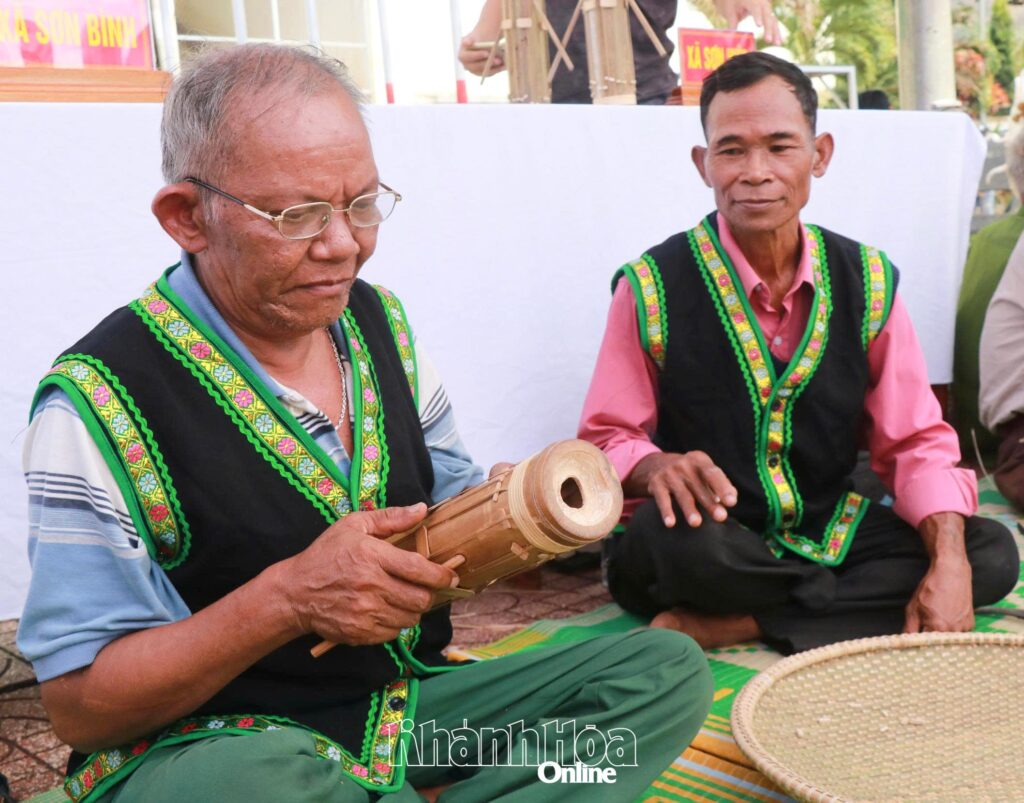
The chapi, in particular, has become a cultural symbol after musician Trần Tiến composed the song “Chapi Dream.” Its gentle melody captures the simple yet profound philosophy of the Raglai: contentment, harmony, and love for nature.
Preserving a Living Heritage
Amid modernization, the Raglai people continue to protect and promote their cultural identity. Their customs, architecture, music, and festivals remain a living testament to the bond between humans and nature.
A visit to Khanh Son is not just a journey through the mountains – it is an encounter with a timeless culture that breathes through every rhythm of daily life. In the quiet beauty of the forests, visitors can still hear the heartbeat of the Raglai people – the eternal song of the mountains and the soul of Vietnam’s highlands.
Tourism Information Technology Center