
(TITC) – When setting foot in Vietnam’s Mekong Delta, visitors are greeted by the golden glow of Khmer temples under the sun, the rhythmic beat of festival drums, and the graceful dance movements that seem to step out from the realm of legend. Khmer culture is not merely a piece of the mosaic that forms Vietnam’s 54 ethnic groups, it is a fascinating journey of discovery, guiding travelers back to the realm of memory, to the harmony between humans and nature, spirituality and the simple joys of daily life.
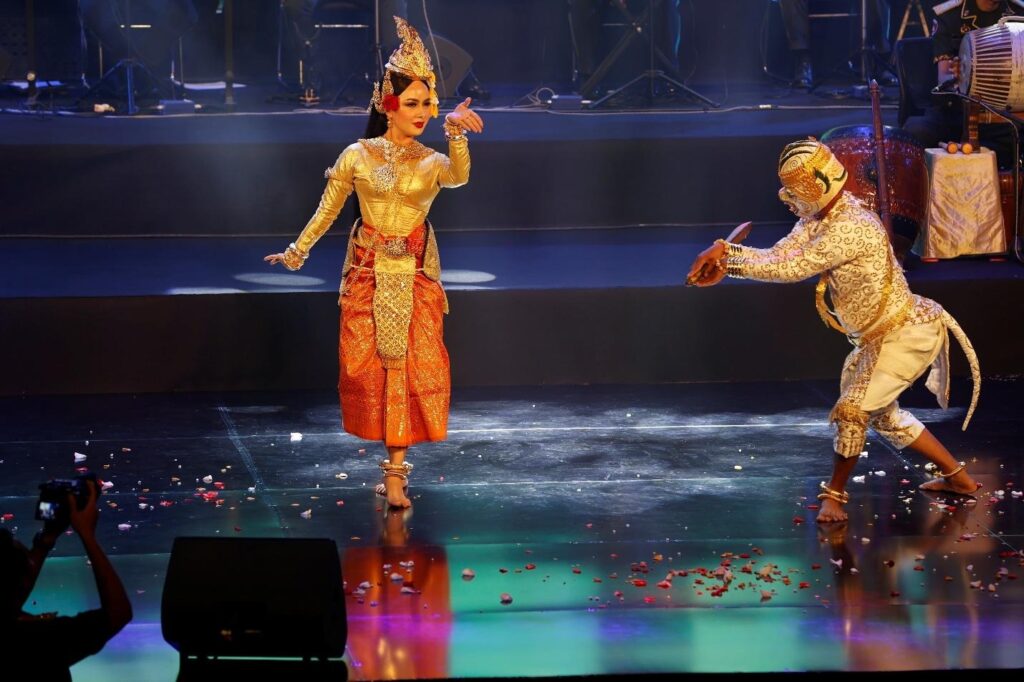
The Khmer Rô băm dance drama – depicting the scene of the fairy and the monkey god Hanuman from the Ramayana epic – showcases the distinctive charm of Southern Khmer performing arts
What captivates visitors first are the Khmer temples. Unlike Vietnamese or Chinese pagodas, Khmer temples shine in radiant gold, with soaring curved roofs intricately carved with dragons, the sacred Naga serpent, and mythological motifs. Stepping through the temple gates feels like entering another world, where spirituality and art intertwine seamlessly. Here, the pagoda is not only a place of worship but also a cultural and intellectual centre, where the Khmer people preserve their faith, wisdom, and identity. For travelers, each visit is not just an architectural exploration, but also a profound spiritual encounter with a living heritage.
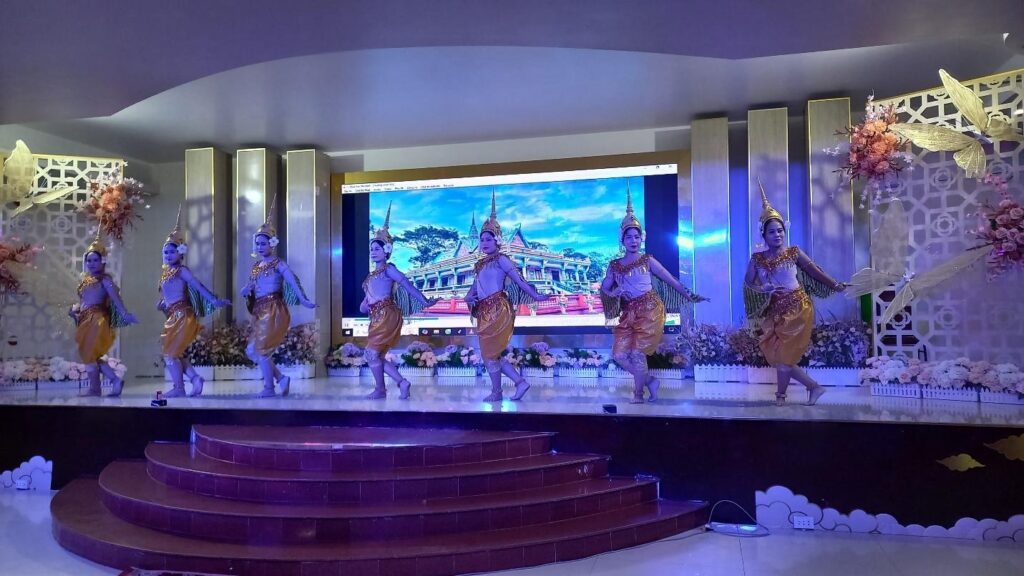
The art of dance, the soulful expression of the Khmer people
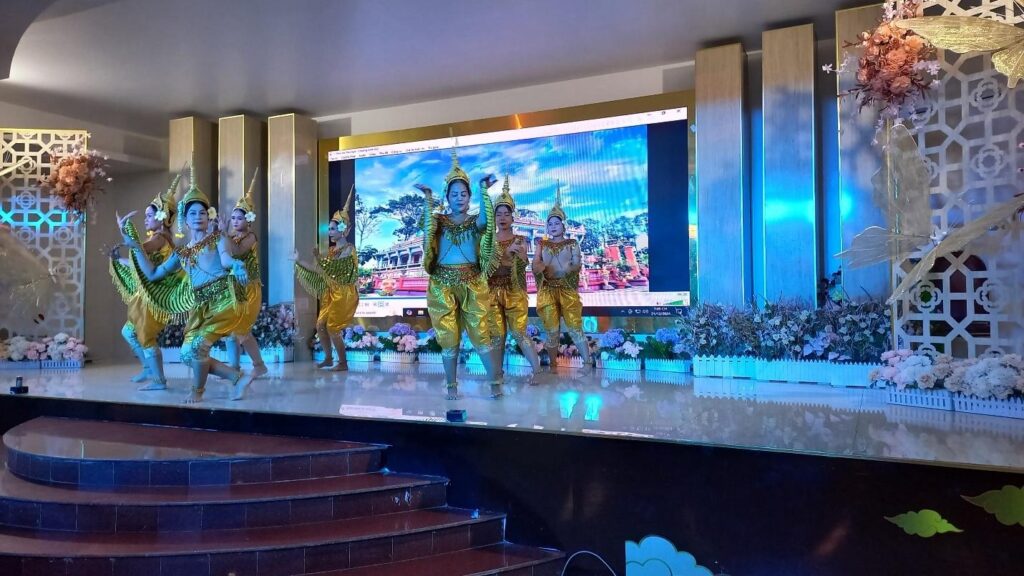
Those fortunate enough to witness a Khmer traditional performance are often mesmerized. Each soft hand gesture, expressive glance, and gentle smile of the dancers transports the audience into a mythical world. The Apsara dance, for instance, feels like an echo from an ancient past, where celestial maidens descended to earth amid vibrant melodies. When the stage lights illuminate the dancers’ shimmering silk costumes, visitors feel as though they are witnessing history retold through movement.
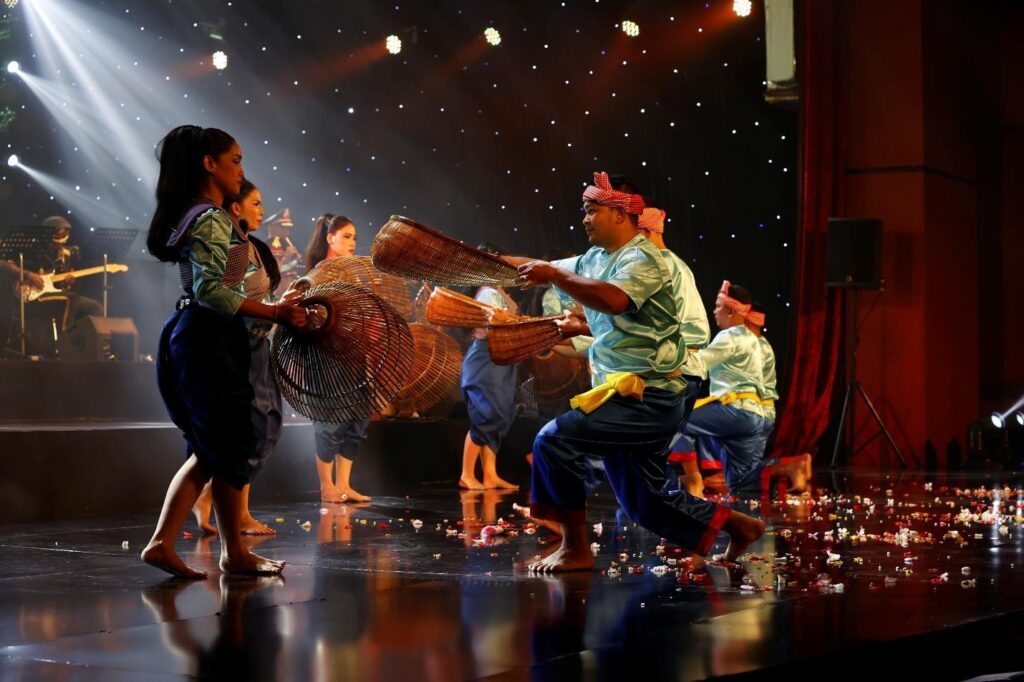
Khmer folk dance featuring bamboo fish traps, reenacting the rhythm of everyday working life
Each dance is more than art, it is the living soul of the Khmer people. Preserved and performed for visitors, these dances do not lose their sacred essence; instead, they become more accessible, inspiring admiration and a deeper appreciation for the Khmer’s ancient heritage.
Festivals, the vibrant rhythm of community life
During festival seasons, travelers who visit Khmer communities can immerse themselves in a world of colour and vitality. Chol Chnam Thmay, the Khmer New Year, brings the entire village together in joyful celebration, with the sounds of drums, music, and fragrant incense filling the air. The Ok Om Bok (Moon Offering Festival) dazzles with its floating lanterns and the exhilarating Ngo boat races that stir the waters with excitement. Meanwhile, Sene Dolta, the festival honouring ancestors, offers a moving reminder of family affection and gratitude, even to those from afar.
These festivals are not merely religious ceremonies. They are open invitations for visitors to share joy, to experience community connection, and to witness the profound humanity that modern tourism increasingly values.
No journey is complete without food, and Khmer cuisine captures travelers’ hearts with its rustic yet refined flavours. A bowl of num banh chok (Khmer rice noodle soup) with its fragrant fermented fish broth and fresh herbs leaves a lasting impression. The sticky num ansom (banana leaf-wrapped rice cake) and the sweet festive che (dessert soup) not only please the palate but also tell stories about tradition and heritage. Khmer cuisine, therefore, serves as a culinary bridge, connecting visitors with the everyday life of the community.
Today, travelers come to the Mekong Delta not only for its rivers and canals but also for its living cultural experiences and Khmer culture stands out as its most captivating feature. Preserving and promoting these cultural treasures means more than mere conservation; it requires creative transmission, ensuring that the heritage remains vibrant in modern life.
Dance classes, community-based tourism tours, and larger-scale festivals all contribute to bringing Khmer culture closer to the world. When a traveler leaves this land with a smile and a heart full of fond memories, it proves that Khmer culture is not only preserved, it is alive and spreading.
To preserve and promote Khmer culture is to safeguard the soul of a people, while opening a new door to meaningful tourism. Each dance, each festival, and each Khmer dish is not just a heritage, but a heartfelt invitation to travelers: Come, feel, and let your heart be moved. For once you have experienced it, you will carry the fragrance and spirit of Khmer culture within you, a timeless treasure of the soul.
Tourism Information Technology Center