
(TITC) – Within the endless flow of history and daily life of the Khmer community in An Giang Province, traditional cakes are not merely simple foods but vivid symbols of cultural identity. Made from ingredients deeply connected to the natural rivers and fields of the Mekong Delta, these cakes embody the harmonious relationship between humans and their local environment. Through generations, Khmer people have skillfully preserved their handmade recipes, turning them into a bridge between past and present, between sacred rituals and daily life. Each cake carries a story of resilience, unity, and reverence for ancestors – core values that have shaped the way of life of this community.
Kà Tum Cake: A Symbol of Delicacy and Family Reunion in Festivals
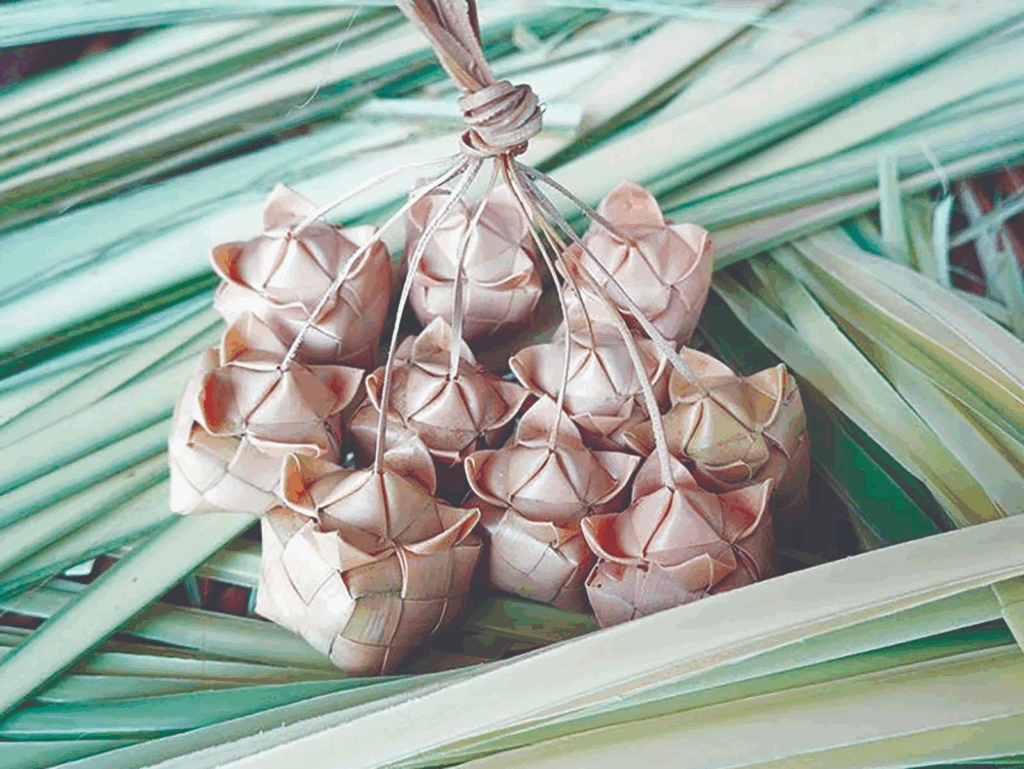
Among countless traditional cakes, Kà Tum cake stands out as a masterpiece of Khmer culinary art, a testament to the community’s creativity and craftsmanship. With its petite, pomegranate-like shape, symbolizing fertility and prosperity in Theravada Buddhist culture, this cake is not only a delicacy but also a blessing offered during major festivals.
Artisan Neang Phuong, a lifelong cake maker from O Lam Commune, shared:
“The ingredients are simple, soaked glutinous rice, white beans, grated coconut, Siam bananas, a touch of sugar and salt but the soul of the cake lies in its palm-leaf wrapping. The crafting of its signature four-petal flower shape requires patience, taking about fifteen minutes for each piece, like a meditative ritual amidst daily life.”
When boiled, the cake turns a soft golden hue from the palm leaf, blending the chewy texture of rice, the creamy beans, the rich coconut, and the natural sweetness of banana. During festivals like Chol Chnam Thmay (Khmer New Year) or Sene Dolta (Ancestors’ Day), Kà Tum cakes are placed on ancestral altars, symbolizing family reunion and hopes for a prosperous harvest. They reflect the Khmer communal spirit, where each person contributes to collective harmony, and food becomes a red thread connecting generations.
Num Khnhay Cake: A Unique Symbol in Marriage Rituals and Community Solidarity
Deeper in Khmer culinary tradition lies Num Khnhay, or ginger cake, shaped like a ginger root, an emblem of vitality and adaptability to the harsh borderland environment. Its preparation is meticulous: glutinous rice is washed, pounded, dried, and mixed with whipped egg whites before being shaped, deep-fried until golden, and coated with caramelized sugar. The secret lies in the delicate balance of ingredients and frying technique, knowledge passed down orally through generations, a lesson in perseverance and craftsmanship.
In traditional weddings, Num Khnhay cakes are arranged into splendid “cake towers,” placed in the most honorable position not only to serve guests but also as a symbol of fertility and unity. Rarely made in daily life due to its elaborate process, this cake appears mainly in ceremonies, reminding people of sacrifice and sharing, qualities that have helped the Khmer endure migration and historical challenges. Today, as urbanization spreads, preserving Num Khnhay has become a cultural mission, helping younger generations rediscover their roots and appreciate their heritage.
Bánh Tét: A Sacred Offering Connecting the Living with Their Ancestors
Bánh Tét, a familiar yet deeply spiritual dish, embodies the intimate bond between Khmer cuisine and faith. Preparation requires care and devotion: coconut milk is extracted and simmered to enhance richness; glutinous rice is soaked overnight, seasoned with salt, sugar, and coconut milk; and ripe bananas form the filling. Wrapped in banana leaves, symbols of protection and maternal love, the cake, once steamed, exudes a warm aroma and gentle sweetness, like a whisper from nature.
During weddings, Bánh Tét is offered as a wish for marital harmony and abundant offspring. During festivals such as Ok Om Bok (Moon Offering Festival), it becomes a sacred tribute to ancestors, expressing gratitude and a return to one’s roots. The dish beautifully represents Khmer philosophy, where Buddhism intertwines with agrarian life, teaching harmony between humans and the universe. Through Bánh Tét, we witness the Khmer way of life: humble, nature-loving, and spiritually connected to the past, a source of strength amid modern changes.
Palm Sugar Sponge Cake: The Sweet Taste of Adaptation and Cultural Vitality
The Palm Sugar Sponge Cake (Bánh Bò Thốt Nốt) is the most widespread, symbolizing the Khmer’s graceful adaptation to modern life while preserving their traditional essence. Made from palm sugar, harvested from the iconic palm tree of this sun-scorched yet fertile land, combined with rice flour and fermented rice for natural leavening, the steamed cake glows with a golden hue and emits a rich, distinctive aroma. Unlike other ceremonial cakes, this one is part of everyday life, found in markets and roadside stalls throughout the Bảy Núi (Seven Mountains) region.
Ms. Neang Chanh, a Khmer vendor from Tinh Bien Ward, shared:
“Every day I sell palm sugar sponge cakes along with palm fruit and juice and they’re gone as soon as a tour group arrives.”
From household offerings to local specialties, this cake illustrates the Khmer community’s ability to transform cultural heritage into economic vitality, sharing their identity with visitors near and far. Thus, the palm sugar cake not only nourishes the body but also uplifts the spirit, reminding people of the deep bond with nature and the dignity of labor.
An Enduring Legacy of Craft and Spirit
What unites all Khmer traditional cakes is their profound connection to the land: palm leaves, palm sugar, glutinous rice, gifts from rivers and mountains. The manual techniques, from pounding rice with stone mortars to hand-wrapping and steaming, reflect patience and care, virtues that define the Khmer character. Each cake is a chapter in the cultural epic of a community where Buddhism, festivals, and everyday labor harmoniously coexist.
Even as modern machinery assists some steps like grinding or shredding coconut, the core values remain preserved and passed on through artisans and celebrations. These cakes are not merely foods, they are living heritage, affirming Khmer identity in a globalized world. They remind us of the enduring power of culture: resilient, adaptive, and ever-spreading like the lingering sweetness of these humble yet profound traditional cakes.
Tourism Information Technology Center