
Once a quiet village where gongs had fallen silent and xoang dances faded from memory, Dong Do – home of the K’Ho Sre people in Bao Thuan commune, Lam Dong – is now finding its rhythm again. Thanks to the passion and creativity of local youth, this highland community is transforming into a vibrant cultural tourism destination where tradition is not only preserved but celebrated.
Culture as the Key to Sustainable Tourism
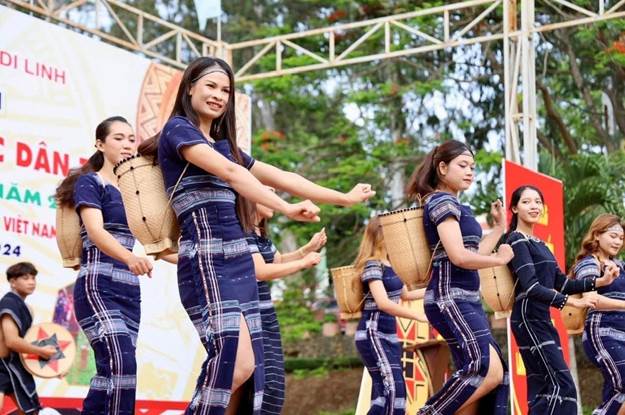
Arriving in Dong Do today, travelers are greeted by the echoes of gongs and the graceful movements of xoang dances in the mountain air. At the heart of this revival is Ndong Ka Hem, a young K’Ho woman who, together with other villagers, spearheaded the project “Preserving and Promoting the Good Traditional Cultural Values of Ethnic Minorities Associated with Tourism Development.”
From forgotten gongs hidden in attic corners to melodies nearly lost to time, Ka Hem and the village elders have breathed life back into cultural memory. Gong classes are now open for young people, ensuring that traditions are not only remembered but practiced. In a progressive shift, elders also encouraged women to play the gongs – breaking with old beliefs that the sacred instruments belonged only to men. This new generation of artisans, both male and female, is carrying tradition forward with pride.
The creation of the Dong Do Gong Club marked another milestone. No longer limited to village ceremonies, the group now performs at cultural events across the province. Their vibrant gong music and xoang dance routines have become a signature “specialty” that draws visitors eager to experience authentic highland culture.
But beyond passion, the youth of Dong Do view culture as a pathway to development. “We don’t just play gongs to preserve culture – we also want to create sustainable tourism and livelihoods,” Ka Hem explains.
A Taste of the Highlands
Culture in Dong Do is not limited to sound and dance – it is also savored through food. Visitors are invited to taste rustic K’Ho dishes such as bep thut leaves steamed in bamboo tubes, grilled stream fish, or bitter eggplant simmered with buffalo. Meals are served in traditional long houses, where the dining space itself becomes part of the cultural experience.
This culinary revival has also sparked new economic opportunities. Instead of foraging in the forest as before, many households now cultivate native plants in their gardens, supplying ingredients for restaurants and tourist activities. What began as hospitality for guests has grown into a sustainable livelihood for the community.
Partnerships have flourished too. Restaurants like Sala, a popular culinary destination in the region, regularly invite the Dong Do Gong Club to perform while showcasing traditional cooking. For tourists, this means a full sensory journey: hearing the deep resonance of gongs, watching xoang dances, and learning how betel leaves are picked or stream fish are grilled over open flames. It is not just a meal – it is a story of place and people.
A Model for Community Tourism
The success of Dong Do lies in its grassroots spirit. Without waiting for major outside investments, the community began with what they had: gongs, kitchens, long houses, and above all, their love of identity. Through these efforts, Dong Do is shaping a model of sustainable community tourism where culture is both preserved and shared.
From the rhythmic beat of drums in the forest to the earthy flavors of mountain cuisine, Dong Do offers more than a visit – it offers an immersion into the living heart of K’Ho culture. Here, tradition is not a performance staged for tourists, but a way of life reborn, carried proudly into the future by its youth.
Tourism Information Technology Center