
(TITC) – Beneath rustic stilt houses by cool streams, amid fields that change with the seasons, Lam Thuong Valley in Lao Cai offers travelers more than scenic beauty—it offers a chance to experience Tay culture in its most authentic form.
A Daughter Returns Home
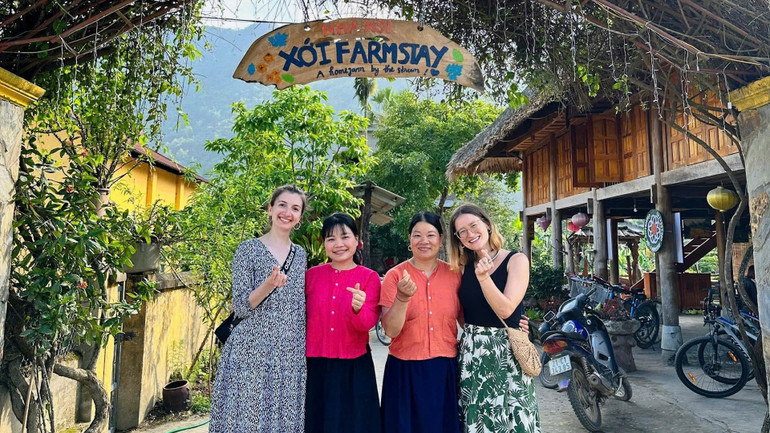
Hoang Thi Xoi, born in 1992, is part of a new generation determined to preserve and share the culture of her people. After years of studying and working far from home, she returned to Tong Ping Cai village to start Xoi Farmstay. Her goal is simple but profound: to build a model of sustainable tourism that honors agriculture, uplifts the community, and protects indigenous identity.
At her farmstay, the welcome begins before a word is spoken. Guests step into a stilt house that is simple yet carefully kept—clean wooden tables, freshly brewed tea, and flowers from the garden brightening every corner. Soon, trays of traditional Tay dishes appear: fragrant rice, stir-fried morning glory with garlic, bamboo shoot soup, and cu sausage.
Everyday Beauty, Festival Splendor
Waking up in Lam Thuong is like stepping into a poem. The Khuoi Noi River murmurs at the foot of the hill, birdsong fills the air, and mist lingers over the fields. Days unfold with simple yet magical pleasures: cycling past golden rice terraces, pausing at lotus ponds in bloom, or cooling off under Nam Chan waterfall as the summer waters cascade down.
Each season casts a new spell on the valley. Summer hums with cicadas and children’s laughter echoing along the lanes. Autumn cloaks the landscape in golden rice fields framed by emerald mountains. Winter shrouds the stilt houses in soft mist, turning palm-thatched roofs into something out of a fairytale. For the adventurous, waterfalls like Na Ken and caves such as Tham Duong offer thrilling explorations.
A Culture to Share
In Lam Thuong, culture is not a performance but a way of life. In daily life, Tay women wear bright, practical blouses and simple skirts for work in the fields. But their festival costumes, reveal the artistry of their heritage: indigo-dyed ao dai, woven headscarves, and silver jewelry crafted by hand and passed down for generations.
Children grow vegetables, learn folk tales, practice English, and play the tinh tau lute. Visitors see identity expressed not only in festivals but in daily greetings, meals, and the layout of family homes.
One of the most engaging activities for travelers is making Tay conical hats. Artisan Hoang Thi Hue, once afraid the craft would fade away, now teaches guests how to weave rims, attach palm leaves, and sew brocade straps. These hats, once simple tools for sun and rain, have become cherished souvenirs, stage props, and emblems of cultural pride.
Evenings bring the community together in celebration. Around campfires, visitors join locals in Then singing, scarf dances, and tinh lute performances. On festival days, the entire village gathers, blending music, dance, and storytelling into a living tapestry of Tay tradition.
Tourism that Nurtures, Not Consumes
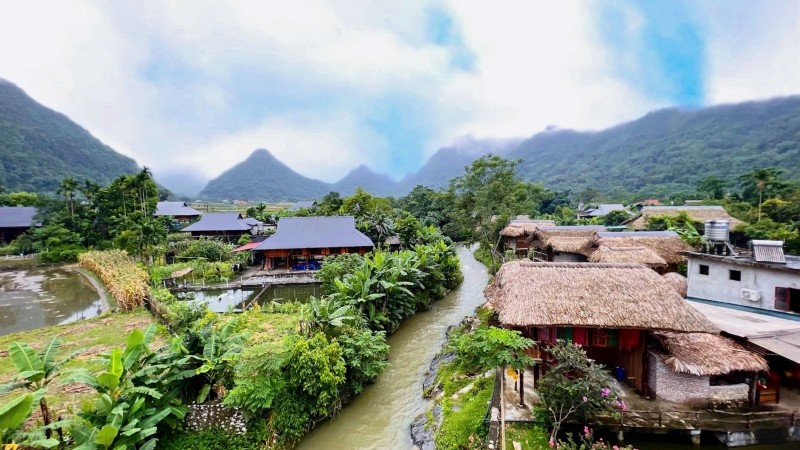
From a single communal stilt house in 2017, Xoi Farmstay has grown into five houses and a spacious community hall, welcoming up to 50 guests a day. More than 20 locals now have steady jobs, while many others benefit through food services, trekking tours, and handicraft workshops.
“Xoi and her family made us feel like relatives, not customers. The food was fresh, the scenery breathtaking, and the hospitality unforgettable,” wrote American visitor Lisa Torres on TripAdvisor.
Unlike many tourist destinations that rush toward modernization, Lam Thuong has chosen a different path. The forests remain green, the streams clear, and the rice terraces golden at the mountain’s edge. Here, identity has not been repackaged for show. It thrives naturally, woven into every song, every home, every shared meal.
An Invitation to Belong
For those seeking more than just photographs, Lam Thuong offers something rare: belonging. To sit in a Tay stilt house, to hear the Then melody drift into the night, to weave a conical hat or taste rice freshly harvested from the fields.
In Lam Thuong, Tay identity is not just preserved; it is generously shared. And for every traveler who comes, it is an invitation not just to visit, but to truly belong.
Tourism Information Technology Center