
(TITC) – With its stunning landscapes, rich cultural traditions, and strong community spirit, Sin Suoi Ho Village (Phong Tho District, Lai Chau Province) has been honored with the title “Best Community-Based Tourism Destination 2025.” The recognition affirms the success of a sustainable tourism model rooted in the values and participation of the local Hmong people in Vietnam’s northern border region.
A Proud Moment at the Vietnam Tourism Awards 2025
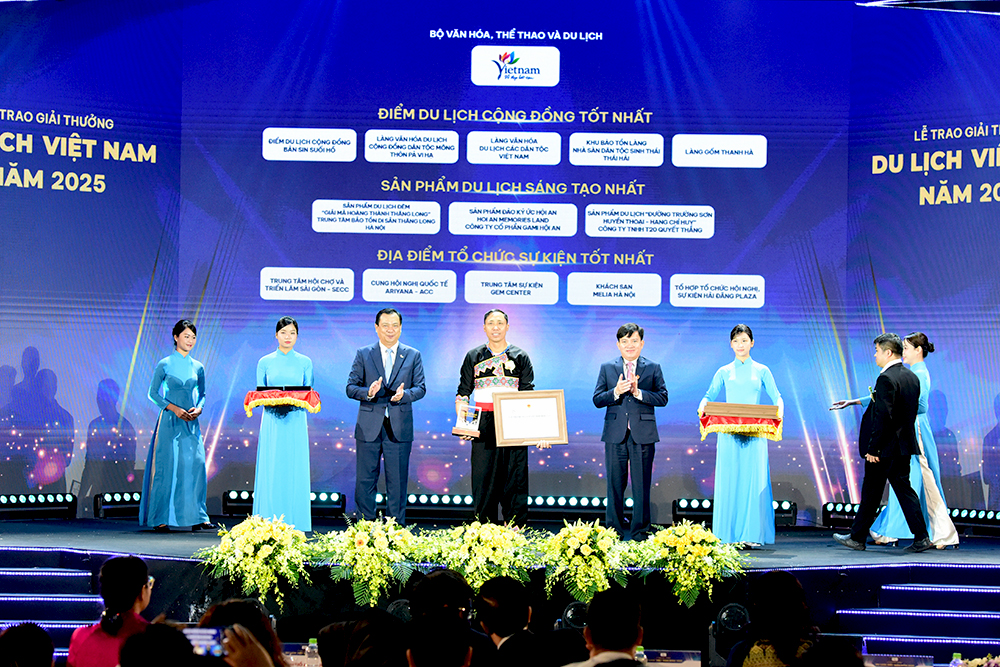
The Vietnam Tourism Awards 2025 ceremony took place on the morning of September 27 at the VinPalace Convention Center in Co Loa, Dong Anh, Hanoi. Among the highlights of the event was the recognition of Sin Suoi Ho Village, which received the prestigious award for “Best Community-Based Tourism Destination.”
The pride of the village reached new heights as Mr. Vang A Chinh, the village head and a pioneer in developing Sin Suoi Ho’s community-based tourism model, personally accepted the award. The honor represents national recognition of the tireless efforts made by both local authorities and residents to preserve Hmong cultural identity, protect natural landscapes, and promote tourism in harmony with the community.
With its pristine scenery, fresh mountain air, and unique experiences such as visiting orchid gardens, exploring traditional customs, and tasting local cuisine, Sin Suoi Ho has become an increasingly popular destination for domestic and international travelers alike. This award not only elevates Lai Chau’s profile on Vietnam’s tourism map but also inspires continued growth toward a green, sustainable, and culturally rich tourism future.
The “Orchid Village” and a Tourism Story from the Heart
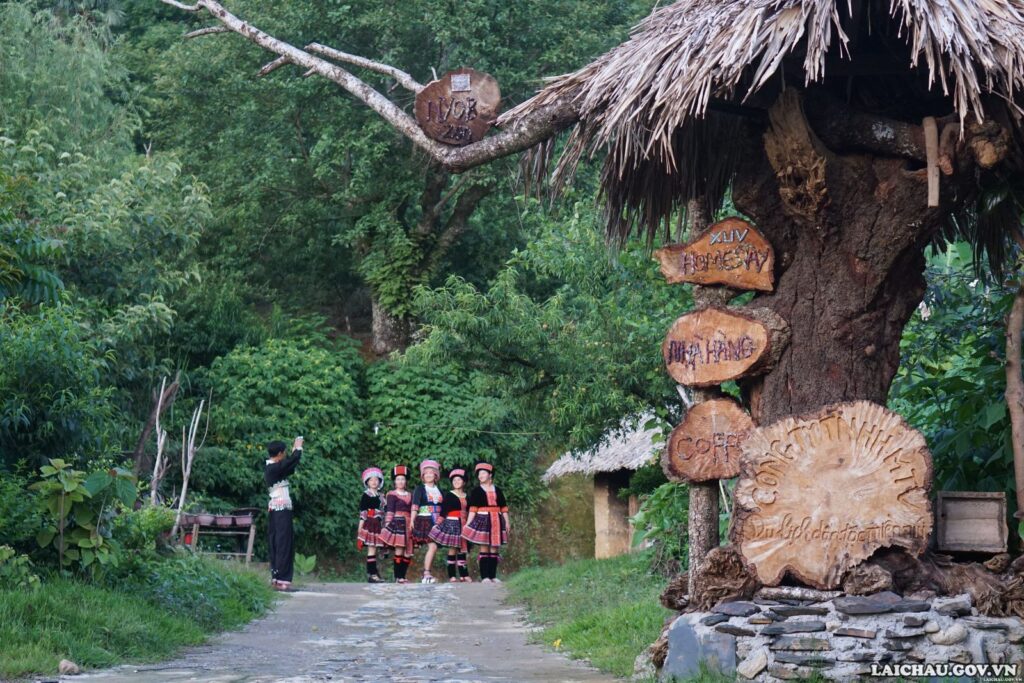
Located more than 1,500 meters above sea level and about 30 kilometers from Lai Chau City, Sin Suoi Ho is often described as a “mountain maiden sleeping amidst the clouds.” The village boasts year-round cool weather, lush forests, crystal-clear streams, colorful orchids, and traditional wooden houses that together form a captivating picture of highland beauty.
What truly sets Sin Suoi Ho apart, however, is the authentic preservation of Hmong culture. Visitors not only admire the natural landscape but also participate in local life—learning how to grow orchids, weave brocade, savor traditional dishes, and enjoy Hmong dances such as the khen (bamboo flute) and umbrella dance during village festivals.
Village head Vang A Chinh explains: “Tourism in Sin Suoi Ho is not about selling tickets or opening shops—it’s about sharing our way of life, so that visitors can feel the hospitality and pride of the Hmong people.”
A Model of Successful Community-Based Tourism
After more than a decade of development, Sin Suoi Ho now has nearly 40 households involved in tourism. Among them, 20 operate homestays, while others offer food services, cultural performances, guiding, and handicraft sales. The village welcomed over 70,000 visitors in 2024, a 30% increase from the previous year, and many households now earn more than 100 million VND annually from tourism – a remarkable figure for this remote mountain area.
Local residents actively participate in every stage of tourism development, from planning and management to marketing, under the guiding principle: “The people are the owners, and visitors are friends.” The community has also launched green initiatives such as reducing plastic waste, treating wastewater, developing eco-friendly orchid gardens, and running a “Green Homestay” program managed by local youth.
Preserving Identity – Building Sustainable Futures
Beyond its economic benefits, Sin Suoi Ho stands out as a model for cultural preservation and environmental protection. The Hmong language, traditional clothing, wedding customs, and handicrafts remain an integral part of the tourism experience.
The Lai Chau Department of Culture, Sports and Tourism, in collaboration with the Vietnam National Authority of Tourism, has supported the village in developing standardized community tourism models, training hospitality skills, promoting online marketing, and participating in tourism fairs nationwide.
Thanks to these efforts, Sin Suoi Ho has become not only a popular domestic destination but also a model recognized by international organizations such as JICA (Japan) and KOICA (Korea) for its friendliness, sustainability, and strong cultural identity.
Spreading the Model Across the Northwest
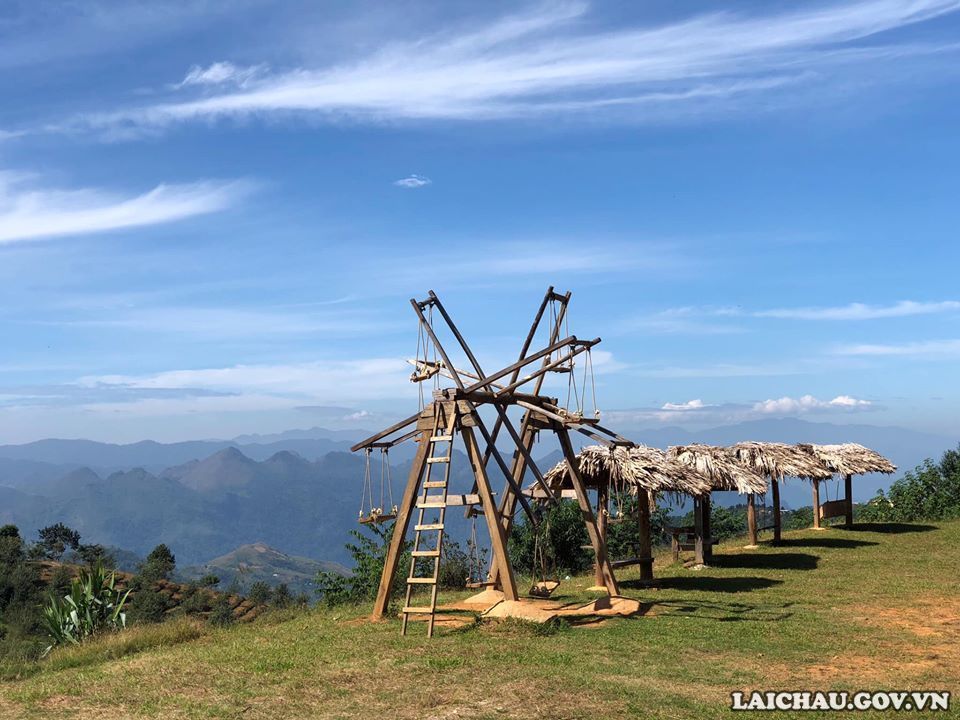
The success of Sin Suoi Ho demonstrates that when the community is the center, culture is the soul, and the environment is the foundation, ethnic minority tourism can thrive sustainably. Lai Chau Province is now replicating the model in villages such as Si Thau Chai (Tam Duong), Na Luong (Than Uyen), and Vang Pheo (Phong Tho), forming a distinctive chain of community-based tourism destinations.
These efforts, combined with cooperation from neighboring provinces like Dien Bien, Son La, and Yen Bai, are helping to shape the image of the Northwest region as a green, safe, and friendly destination – where every journey connects visitors with the authentic beauty of Vietnam’s mountains and people.
Tourism Information Technology Center