
(TITC) – A trip to Buon Ma Thuot, the heart of Dak Lak Province, offers more than majestic mountains and lush forests. It is also a culinary adventure into the distinctive flavors and traditions of the Ede ethnic people, whose cuisine reflects harmony between humans and the natural world.
Simplicity with Depth of Flavor
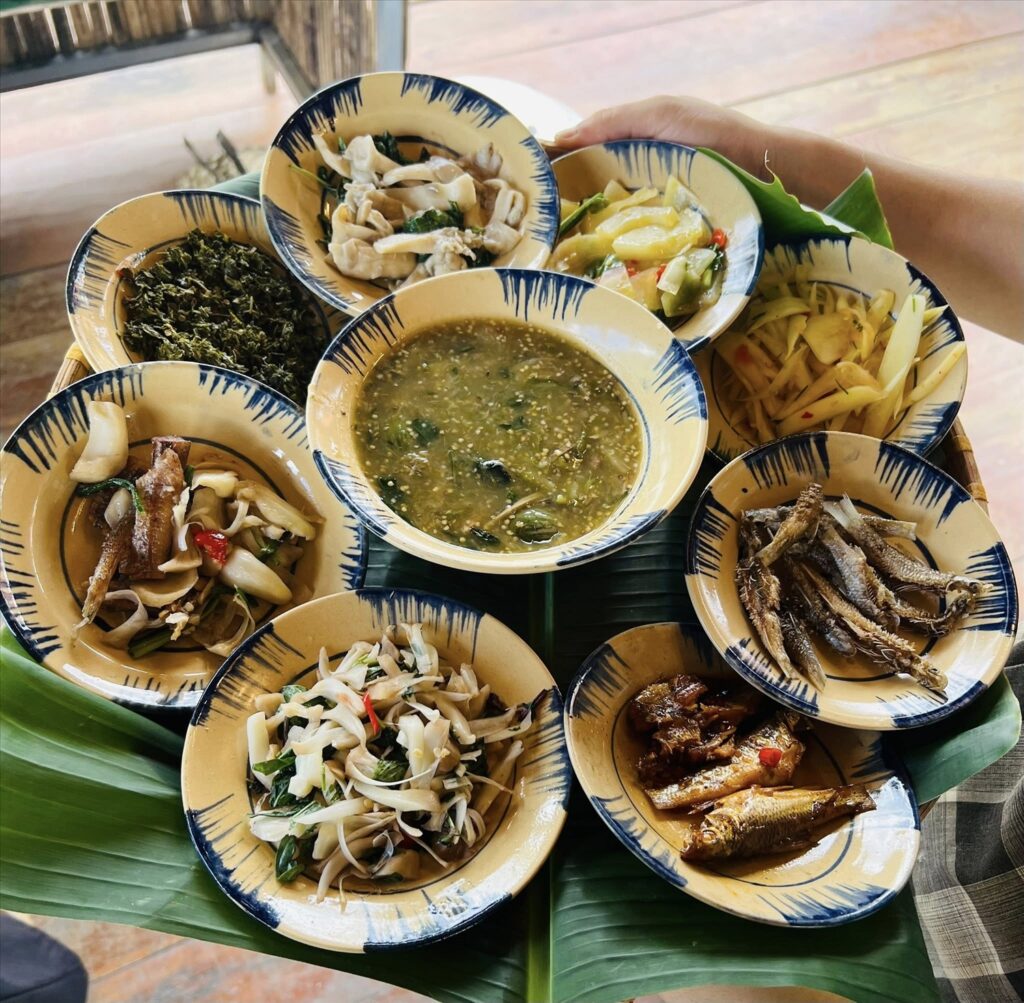
The Ede culinary style is defined by its simplicity in preparation yet sophistication in taste. Instead of elaborate techniques or heavy seasonings, the Ede people focus on preserving the pure essence of ingredients. Most dishes are made from natural produce gathered from forests and fields – bamboo shoots, wild vegetables, fiddlehead ferns, tubers, river fish, and game meat – seasoned with mountain spices such as wild chili, lemongrass, ginger, and the aromatic “lá é” herb.
Cooking methods are modest: grilling, boiling, steaming, or making soups, allowing the ingredients to retain their natural sweetness and aroma. Little oil is used, resulting in dishes that are light, wholesome, and healthy. Beneath their simplicity lies an elegance that reveals the people’s respect for nature and their creative spirit.
Signature Dishes of the Highlands
Cơm lam (bamboo-tube rice) is the most iconic dish of the Central Highlands, and a culinary symbol of the Ede people. Fragrant sticky rice is packed into young bamboo tubes and grilled over glowing embers until the outer shell is lightly charred. When peeled open, the rice reveals a delicate aroma of fresh bamboo and smoke. It is best enjoyed with sesame salt, grilled chicken, or wild meat – a perfect expression of the highland soul.
Ban Don grilled chicken is another specialty that has made Buon Ma Thuot famous. Free-range chicken is marinated in forest honey, lemongrass, chili, and distinctive spices, then grilled until golden and crispy on the outside, juicy and flavorful inside. This dish, often served during festivals or family gatherings, embodies the warmth and generosity of Ede hospitality.
Bitter eggplant soup with “lá é” is simple yet deeply satisfying. The slight bitterness of the eggplant blends harmoniously with the fragrant herb, enhanced by the sweetness of fish or forest meat. Locals say the soup cools the body and restores balance – perfect for the Central Highlands’ tropical climate.
Other must-try dishes include caramelized goby fish with galangal, simmered until tender with chili and fish sauce, and porcupine meat, a rare delicacy prepared by grilling or stir-frying, offering a rich, gamey flavor unique to the mountains.
A Cultural Experience Beyond Food
Enjoying Ede cuisine is more than having a meal – it is sharing in a way of life. Meals are often enjoyed communally, around a warm fire, with family and guests gathered close. Between bites of bamboo rice and sips of ruou cần, the famous jar wine of the Central Highlands, visitors can feel the closeness, sincerity, and deep connection the Ede people have with each other and with nature.
Through this experience, travelers discover that Ede food is not only about taste, but also about culture and emotion. Every dish tells a story – of the land, of resilience, and of the bond between people and forest.
Preserving Heritage through Tourism
Today, many villages in Dak Lak are integrating Ede cuisine into community-based tourism. Visitors can try on traditional costumes, join cooking classes, and learn to prepare dishes like bamboo-tube rice or forest soup. These experiences bring travelers closer to local life while helping to preserve culinary traditions.
Cultural festivals and food events often feature traditional cooking demonstrations and competitions, showcasing the creativity of Ede women and promoting pride among younger generations. Such efforts not only enrich local tourism but also contribute to the sustainable development of ethnic communities.
Tourism Information Technology Center