
(TITC) – Community-based tourism is emerging as a model for sustainable development in many mountainous and ethnic minority regions of Vietnam. In villages once defined by terraced fields and the glow of kitchen fires, indigenous women are now stepping beyond their traditional roles. They have become warm-hearted tour guides, creative homestay owners, and cultural ambassadors – playing a vital part in transforming local economies, societies, and ways of life.
Turning What They Have into Tourism Treasures
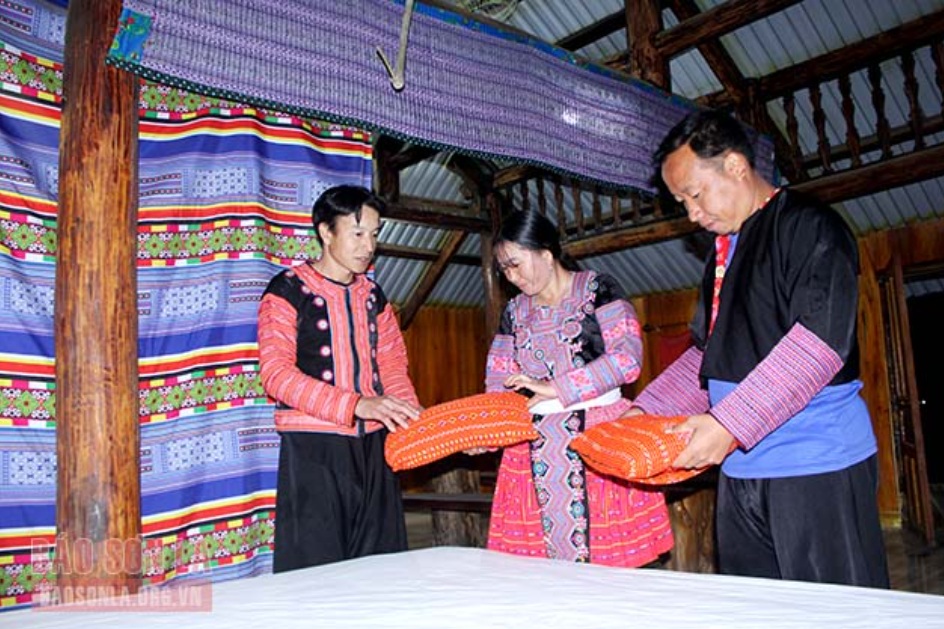
Ta So 2 Village in Chieng Hack Commune, Moc Chau District (Son La Province) is home entirely to Hmong people. In the past, life revolved around maize and plum farming, with the seasons dictating daily routines. In recent years, however, a new breeze has swept through the hills – community-based tourism – bringing visible and positive change.
Ms. Sung Y Hoa, a pioneering Hmong woman, was among the first to open a homestay in the village. Perched on a hilltop surrounded by fruit-laden plum orchards, her Hoa Phong Homestay has welcomed guests since late 2021. To meet growing demand, her family boldly took out a loan to expand the house, install heating and wooden bathtubs, and thoughtfully preserve Hmong traditions in every detail – from interior design to family meals and storytelling.
“Thanks to tourism, I’ve become more confident when communicating with guests. We earn more income, and, most importantly, women in my family are now more respected and heard,” Ms. Hoa shared. “I hope other families in the village will have the courage to follow this path.”
According to Mr. Mua A Lu, head of Ta So 2 Village, tourism has sparked a shift in mindset: “Today, women are not only keepers of the hearth, but also guides, artisans, and storytellers – helping visitors understand and fall in love with Hmong culture.”
Creative Women Filling Tourism Gaps
In addition to hosting travelers, many local women have demonstrated creativity and business acumen in shaping new tourism directions. Bon Village in Muong Chien Commune, Quynh Nhai District (Son La Province) is blessed with pristine natural beauty – like an unpolished gem. Recognizing the rising interest in experiential travel, Ms. Hoang Thi Dung, owner of Bon Homestay, chose a distinctive approach.
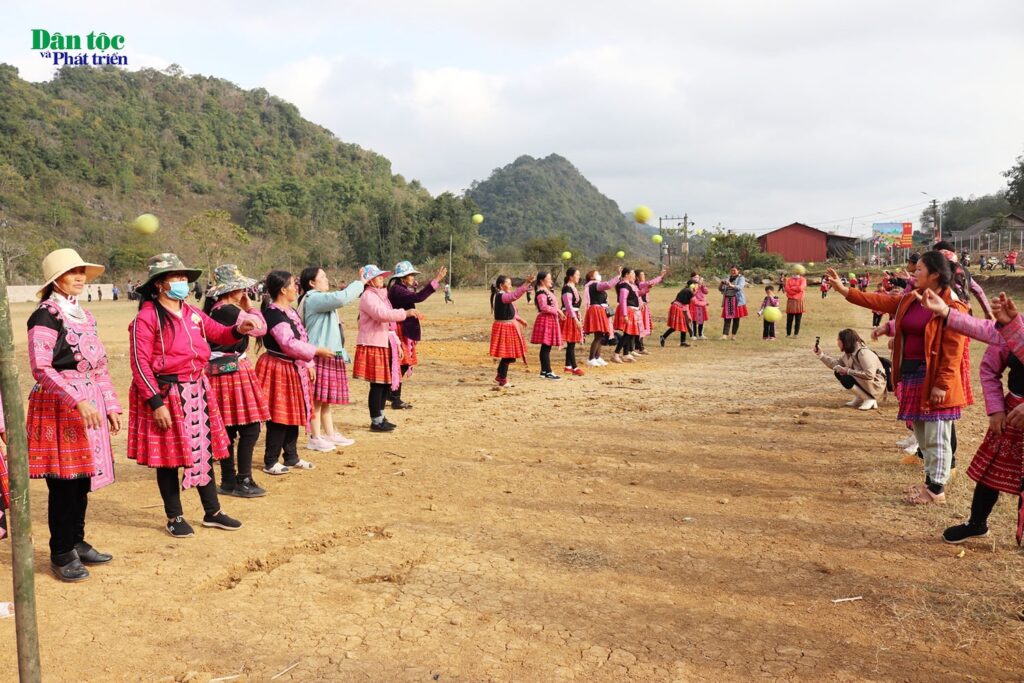
After attending training sessions, Ms. Dung realized that today’s travelers seek more than just accommodation – they want to live like locals. Instead of simply showcasing scenery, she created hands-on activities: harvesting ingredients to make chẩm chéo (a traditional dipping sauce), learning ethnic cooking, catching fish in mountain streams, or picking fruit in home gardens. Each experience not only delights tourists but also connects them with the cultural and historical stories behind local traditions.
She also uses social media to promote Bon Village. Short videos showing joyful visitors catching fish or sharing traditional meals quickly gained tens of thousands of views, drawing more tourists and significantly improving local incomes.
“We do tourism not just to earn money, but to preserve our culture – so that our children will always be proud of their homeland,” Ms. Dung said.
Women as Catalysts for Change
The active participation of women has brought profound transformation to highland communities. From tending homes, they have become entrepreneurs – hosting visitors, managing businesses, and engaging with tourists from across the country and around the world. The image of confident indigenous women explaining their culture, leading experiences, and speaking fluent Vietnamese – or even foreign languages – has become increasingly familiar.
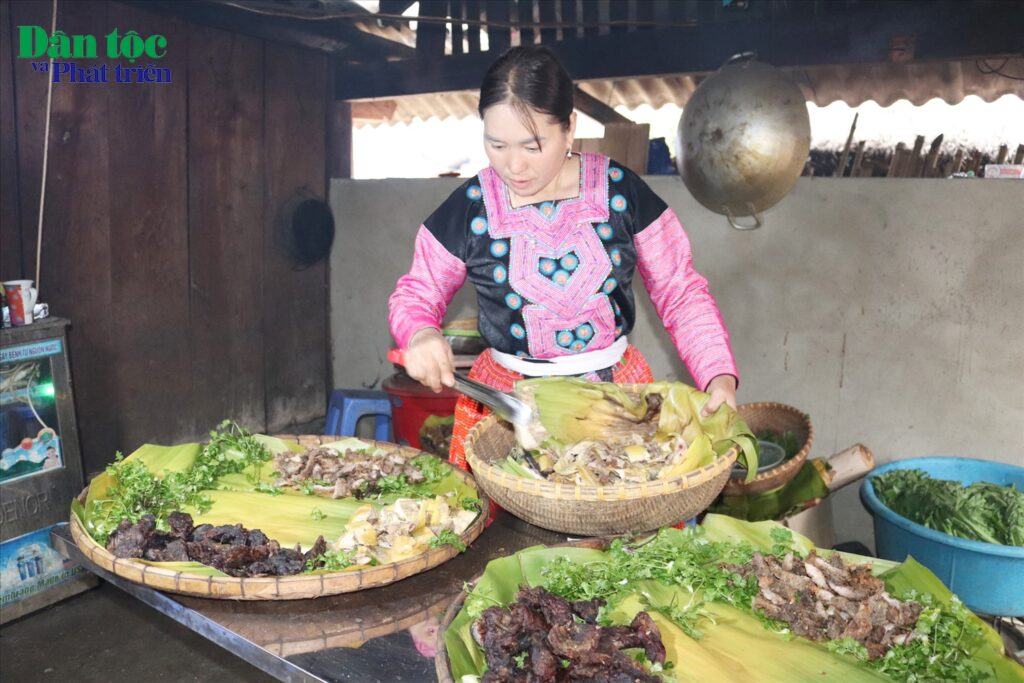
This change has done more than raise income – it has empowered women, giving them a stronger voice in family decisions and community development. Children are attending school more regularly, cultural activities are thriving, and traditional values are being both preserved and shared beyond the village.
The examples of Ta So and Bon Villages prove that when women are confident and supported, community-based tourism becomes more than a livelihood – it becomes a pathway to cultural preservation, empowerment, and rural revitalization in Vietnam’s ethnic minority communities.
Tourism Information Technology Center